

In the vibrant textile markets of Mumbai, a subtle yet profound transformation is underway in India's fashion landscape. Gender-neutral prints, once confined to experimental niches, are now integrating into mainstream innerwear and apparel, encompassing everything from underwear to maternity bras. This evolution is propelled by young urban dwellers in cities like Bengaluru and Delhi, who are championing designs that dissolve conventional gender distinctions. Far beyond mere aesthetics, this trend symbolizes a broader quest for identity redefinition and inclusivity within India's storied textile traditions. As of 2025, with sustainability and individualism at the forefront, gender-neutral fashion is not just a style choice but a cultural statement resonating across diverse demographics.
Uncomfortable underwear shouldn't steal your confidence. At Andcircus, we craft ultra-soft, sustainable Lenzing Modal Micro® innerwear for every body, XS to 5XL. From briefs to bras, our custom packs fit you perfectly. Shop risk-free with our 100% satisfaction guarantee and embrace comfort that includes everyone. #LoveEveryBody. Shop Now!
Gender-Neutral Prints: A New Fashion Frontier
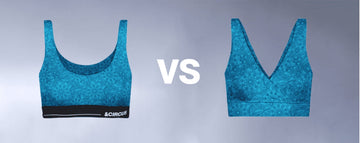
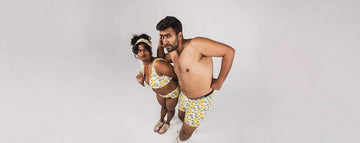
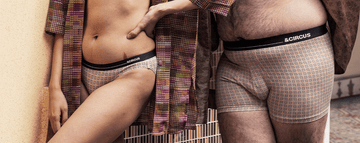
The ascent of gender-neutral fashion represents a lasting shift rather than a transient whim. In bustling urban centers such as Chennai and Hyderabad, androgynous styles are capturing the imagination of younger consumers. Direct-to-consumer startups are harnessing this momentum by introducing innerwear lines featuring prints that eschew conventional "men's" or "women's" categorizations. Envision gentle geometric forms, subdued natural hues, and versatile abstract patterns that appeal universally. These elements are emerging in a wide array of products, from everyday boxers to supportive bras, with maternity innerwear experiencing notable demand for options prioritizing comfort without gender constraints.
In regions like Kerala and West Bengal, artisanal textile makers are innovating with neutral prints, merging time-honored techniques with contemporary appeals. For example, Kolkata's weavers are embedding understated unisex motifs into their handloomed materials, which urban-oriented brands eagerly adopt. This change extends beyond visuals; it addresses an escalating societal call for inclusivity, especially in India's premier cities where perspectives on gender and attire are swiftly progressing. Recent insights reveal that gender-neutral trends are altering dressing norms, promoting inclusivity and rejecting rigid stereotypes. Moreover, among Gen Z in India, androgynous clothing ranks high in popular trends for 2025, alongside sustainable and athleisure elements.
This movement aligns with broader street style evolutions, where gender-neutral fits are dominating Indian urban scenes in 2025, including oversized shirts and utility fashion. Designers emphasize breaking traditional boundaries, creating clothing that prioritizes comfort and self-expression over gendered silhouettes. In ethnic wear, Gen Z is embracing neutral-colored kurtas and Pathani suits, further blurring lines in traditional attire.
From Catwalks to Local Markets
On the international stage, gender-neutral fashion has captivated high-end runways. Insights from a Vogue Business article highlight that during the Spring/Summer 2024 men's fashion weeks, creators like Dior and Valentino advanced gender fluidity through innovative pieces such as leopard print skirt-shorts and refined tailoring that softened conventional masculinity. Designers advocated transcending outdated masculine norms to foster dressing unbound by gender. Yet, beyond these showcases, advancements lag, with persistent issues in promoting gender-neutral lines and achieving suitable sizing.
India's fashion ecosystem is adapting these global cues into practical daily wear. Delhi's institutions, including NIFT, are organizing events that feature gender-fluid innerwear, combining striking prints with functional elements. Exporters in Maharashtra, operating from hubs like Mumbai and Pune, are integrating neutral patterns into lingerie aimed at local and overseas audiences. This localization ensures relevance, drawing from India's diverse cultural tapestry.
Bengaluru stands out as an innovation epicenter within the startup realm. Brands leveraging digital channels like Instagram and Pinterest are demystifying non-binary aesthetics, especially in maternity and loungewear. Such initiatives connect with city professionals seeking adaptability and inclusiveness. Notably, one Bengaluru brand introduced a maternity bra series with abstract neutral prints that quickly depleted stock, underscoring robust consumer interest. Pioneering labels like Tailor & Circus, India's inaugural body-positive unisex underwear brand, exemplify this by offering sustainable, antimicrobial innerwear from micro-modal fabric. Other players, such as Bummer, provide stylish, comfortable options for all genders, as featured on Shark Tank India. The Underworld offers quirky, eco-friendly designs in soft modal, catering to gender-neutral preferences.
Collaborations enhance inclusivity; Tailor and Circus partnered with Generation Mixx for trans-inclusive innerwear, expanding accessibility. Maayu focuses on organic cotton undergarments free from chemicals, promoting health and neutrality. These brands are reshaping India's innerwear sector, emphasizing sustainability and equality.
Challenges on the Ground
Amid this progress, obstacles to broad acceptance persist. In less urbanized zones of Uttar Pradesh and Gujarat, conventional gendered patterns prevail, with vivid pinks and blues leading women's innerwear and plain solids for men's. Societal pushback in these areas deters retailers from embracing gender-neutral stocks, wary of disconnecting with traditional clientele. Progressive regions like Tamil Nadu and Kerala require brands to navigate delicately, harmonizing progressive narratives with avoiding backlash from conservatives.
Supply networks present formidable barriers. Mills in Haryana and West Bengal approach ramping up neutral print output cautiously amid demand unpredictability. A Surat mill proprietor remarked at a trade event, "Interest is evident, yet it remains a risk." Retail operations grapple with complexities too adopting unisex items demands overhauling size frameworks and stock oversight, challenging for modest enterprises. Globally, gender-neutral lines face sizing hurdles; while designed neutrally, they often fall short in fit inclusivity, exacerbating e-commerce return expenses.
Cultural and economic factors compound these issues. In rural India, awareness of gender fluidity lags, hindering market penetration. Brands must educate consumers while respecting regional sensitivities, a balancing act that slows expansion.
Opportunities in Urban India
Nevertheless, prospects abound, particularly in metropolitan retail enclaves like Delhi NCR, Bengaluru, Mumbai, and Kolkata. These locales host youthful, prosperous groups enthusiastic about inclusive styles. In maternity innerwear and bras, neutral prints are surging among metropolitan working women valuing ease and multifunctionality. A Guardian report illuminates the intersecting sustainability drive, revealing global pre-owned apparel sales leaped 18% to $197 billion in 2023, projected to hit $350 billion by 2028. In India, the second-hand apparel sector, valued at about $3,500 million in 2024, anticipates a 13.20% CAGR through 2033. This growth, fueled by vintage and ethnic demands, complements gender-neutral trends as eco-aware buyers favor enduring, versatile pieces.
Domestic brands differentiate by fusing local motifs like Tamil Nadu temple arts or Gujarat bandhani into neutral designs, yielding modern yet heritage-rooted items. This strategy captivates local buyers and elevates textile exports from Maharashtra and Karnataka, where producers optimize inventories via cross-gender lines. The secondhand luxury segment in India, at $683.1 million in 2024, is set to reach $1,674.5 million by 2033 at 9.95% CAGR. Platforms like Depop and Vinted amplify resale, with online segments expected to double to $40 billion in five years.
Urban India's affluent youth, especially Gen Z and millennials, drive this, with 65% engaging in secondhand purchases for premium access. This synergy between sustainability and neutrality positions Indian fashion for global competitiveness.
The Future of Inclusive Fashion in India
Analysts in Delhi and Mumbai express confidence, forecasting 15–20% CAGR in inclusive segments, spotlighting innerwear. State-supported incubators in Tamil Nadu and Gujarat nurture this by aiding designers in neutral fabric explorations. Chennai's recent contests featured student-created gender-neutral maternity gear from indigenous weaves, garnering industry acclaim. Projections indicate India's apparel market reaching $109.45 billion in 2025, growing 3.26% annually to 2029.
Experts foresee Tier-1 and Tier-2 cities spearheading uptake, with rural areas catching up via increased awareness. A Mumbai consultant notes, "This is equally cultural and business-oriented; brands blending inclusivity with heritage will pioneer." Ultimately, gender-neutral prints may anchor innerwear and maternity lines, redefining India's global textile persona. Eastern trends for 2025 emphasize gender neutrality, with influences from Taiwan and Hong Kong. The secondhand market's expansion to $91.11 billion by 2032 at 13.04% CAGR underscores sustainable trajectories.
A Cultural and Commercial Milestone
Spanning West Bengal's looms to Mumbai's boutiques, gender-neutral prints forge a fresh chapter in Indian fashion. Transcending binary constraints, this crafts a boundary-free style era. Brands adept at cultural navigation and local ingenuity stand to gain devoted patrons and reshape legacies. With Bengaluru and Delhi's vibrancy fueling this, gender-neutral prints endure, embedding inclusivity into India's fashion narrative.
Frequently Asked Questions
What are gender-neutral prints and why are they becoming popular in fashion?
Gender-neutral prints are designs that avoid traditional "men's" or "women's" categorizations, featuring gentle geometric forms, subdued natural hues, and versatile abstract patterns that appeal universally. They're gaining popularity because they represent a broader quest for identity redefinition and inclusivity, especially among Gen Z and millennials who prioritize comfort and self-expression over gendered silhouettes. This trend aligns with the growing demand for sustainable and individualistic fashion choices.
Which Indian cities are leading the gender-neutral fashion trend and what brands are involved?
Urban centers like Bengaluru, Delhi, Mumbai, Chennai, and Hyderabad are spearheading India's gender-neutral fashion movement. Key brands include Tailor & Circus (India's first body-positive unisex underwear brand), Bummer (featured on Shark Tank India), The Underworld, and Maayu, all offering sustainable, comfortable innerwear options for all genders. These brands are leveraging digital channels and collaborating with organizations like Generation Mixx to enhance trans-inclusive accessibility.
What challenges do gender-neutral fashion brands face in the Indian market?
Gender-neutral fashion brands in India face several obstacles including resistance in less urbanized areas where traditional gendered patterns still dominate, supply chain hesitations from mills uncertain about demand, and complex retail operations requiring overhaul of sizing frameworks. Cultural factors also play a role, as awareness of gender fluidity lags in rural India, requiring brands to balance progressive narratives while respecting regional sensitivities and avoiding backlash from conservative consumers.
Disclaimer: The above helpful resources content contains personal opinions and experiences. The information provided is for general knowledge and does not constitute professional advice.
You may also be interested in: How Inclusivity Is Reshaping the Plus-Size Underwear Market
Uncomfortable underwear shouldn't steal your confidence. At Andcircus, we craft ultra-soft, sustainable Lenzing Micro Modal innerwear for every body, XS to 5XL. From briefs to bras, our custom packs fit you perfectly. Shop risk-free with our 100% satisfaction guarantee and embrace comfort that includes everyone. #LoveEveryBody. Shop Now!